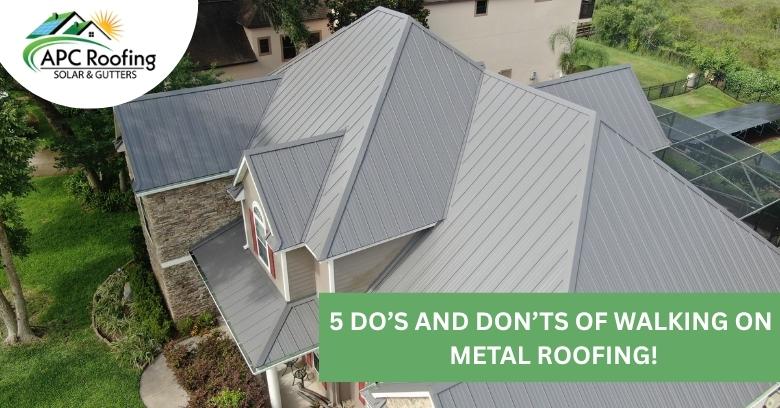
Metal roofing has soared in popularity across markets like Daytona Beach and Clermont Florida, earning a reputation for remarkable longevity, energy efficiency, and sleek aesthetics. As homeowners and commercial property managers look to maximize their investments, understanding how to interact with these innovative roofing systems safely becomes crucial. One of the most common questions for property owners is: "Is it safe to walk on metal roofing?" The answer is nuanced, dependent on a combination of the roof's design, proper technique, and the expertise of professionals.
Missteps while walking on a metal roof can lead to both physical injury and costly roof damage, which highlights the importance of caution and knowledge. Whether you are a curious DIYer, a new homeowner, or searching for the best metal roofing company in Daytona Beach Florida or nearby Clermont, this article will break down five essential do's and don'ts for navigating your metal roof safely.
In places like Daytona Beach, where coastal conditions expose roofs to heavy rain, salt spray, and hurricanes, the integrity of your metal roof is paramount. Similarly, Clermont's variable weather, from intense sun to the occasional storm, demands attention to roof condition and maintenance. Metal roofs, constructed from materials such as galvanized steel, aluminum, or copper, are engineered to withstand these elements, but only when maintained and accessed correctly.
That is why, whether you are scheduling a routine inspection, clearing debris, or simply satisfying curiosity, understanding not only how to walk on your metal roof but if you even should is vital. Improper foot traffic can void warranties, reduce energy efficiency, and create leaks or dents that become headaches down the line. On the other hand, following best practices ensures your property in Daytona Beach or Clermont stays protected, attractive, and energy-efficient for decades.
With input from industry-leading metal roofing companies, homeowner resources, and expert recommendations, we will guide you through the do's and don'ts for safely traversing your metal roof. Not only will you learn step-by-step safety guidelines, but you will also understand when it is best to call a certified metal roofing company for professional help.
Let's explore how to protect your investment, your safety, and the longevity of your metal roofing system!
Walking on Metal Roofing: The Key Do's and Don'ts
Do #1: Inspect the Roof and Plan Your Route
Before ever stepping onto your metal roofing, assessment is key. Walk around your home or commercial property and visually inspect the metal panels for visible issues, such as rust, warping, loose fasteners, or debris buildup. Check the type of metal panels used; standing-seam roofs support weight differently than corrugated or ribbed panels.
If possible, identify safe walking paths, which are typically along roof rafters or directly over supports, to minimize stress on panels. Many metal roofing installers in Daytona Beach and Clermont recommend lightly tapping with a knuckle to locate solid support points beneath the panels.
By planning your steps in advance, you lower the risk of damaging weak areas or stepping where panels are unsupported.
Don't #1: Walk on Wet or Debris-Covered Metal Roofing
Metal roofing surfaces are extremely slick, especially when wet or covered with leaves, moss, or sand. Rain, dew, and even the morning humidity common in Daytona Beach and Clermont can make metal panels as slippery as ice.
Attempting to walk on a roof under these conditions is one of the most common causes of slips and falls. Wait until all surfaces are dry and clear; if there is persistent debris, use a long-handled brush or blower from a ladder to clean the area.
Do #2: Wear Appropriate Footwear
Footwear choice matters. Select soft-soled, rubber-bottomed shoes or boots with good grip and no sharp treads that might scratch the paint. Many professionals from leading metal roofing companies recommend footwear such as skate shoes or hiking boots designed for grip and traction. Avoid wearing sandals, hard-soled shoes, or anything with protruding treads.
Proper footwear not only protects you from slipping but also prevents unnecessary scrapes and dents on the roof surface.
Don't #2: Use Heavy Equipment or Tools Directly on the Roof
Dragging or dropping tools and heavy equipment on metal panels can cause denting, punctures, or even void manufacturer warranties. Tools should be secured in a lightweight tool belt, and only necessary items should be brought onto the roof.
If you need to bring larger equipment onto the roof, consult with a qualified metal roofing company in Daytona Beach or Clermont for best practices as sometimes professional equipment, such as roof ladders or staging, may be required to protect both the roof and yourself.
Do #3: Distribute Your Weight
One of the most important safety tips is to walk flat-footed, with weight evenly distributed across both feet. This reduces concentrated pressure on any one panel or seam. Walk slowly and deliberately, keeping your center of gravity low. Where possible, step on the lower, flatter areas near the seams or ribs of standing seam panels as these areas are structurally stronger.
Some experienced roofers recommend using foam pads or roof cushions to further distribute weight and protect panels during extended work.
Don't #3: Walk on Damaged or Unsupported Areas
Never step on visibly damaged, loose, or unsupported sections of metal roofing. Soft spots, raised seams, or visibly bent panels are signs that the area may not bear weight. Even minor structural weakness can lead to panel creasing, leaks, or sudden loss of balance.
If any section appears questionable, do not test it. Instead, contact a metal roofing company in Daytona Beach, Clermont, or your local area for a thorough inspection and repairs before attempting further access.
Do #4: Use Personal Protective Equipment or PPE
Even for quick inspections, always put safety first. Wear a harness if the roof is steep, use a lanyard anchored to a secure point, and consider non-slip gloves. Eye protection is wise if you are clearing debris or inspecting sharp edges.
For taller buildings, always have an assistant on the ground to act as a spotter. Safe roof access is a team endeavor.
Don't #4: Ignore Roof Pitch or Shape
Walking on a steep slope is exponentially more dangerous than on a flat or low-slope surface. Do not underestimate the roof pitch, especially in Daytona Beach Florida, where residential roofs may be steep to shed rain quickly.
Unless you are experienced and properly equipped, do not attempt to walk on steep or curved metal roofs. Leave such tasks to insured professionals with the correct safety gear.
Do #5: Call a Professional Metal Roofing Company for Major Tasks
Routine inspection, cleaning, or minor maintenance can often be handled by homeowners following best practices; however, for anything beyond the basics such as panel replacement, leak repairs, or detailed inspections call an experienced metal roofing company.
Metal roofing companies in Daytona Beach and Clermont are equipped with specialized equipment and know how to safely handle the unique characteristics of metal roof systems. They also understand local building codes and environmental challenges that may affect your roof's health and performance.
Don't #5: Void Your Roof Warranty
Many manufacturers explicitly state that improper foot traffic or unauthorized repairs may void your roof warranty. Before setting foot on your metal roofing, review installation and warranty documentation or call your installer. When in doubt, err on the side of caution and hire a certified metal roofing company.
Respecting warranty guidelines protects your long-term investment so that you will not be left without coverage due to an innocent mistake.
Metal Roofing Applications, Pros, Cons, and Sector Impact
Wide-Ranging Applications
Metal roofing is not just for industrial warehouses or barns anymore. In Daytona Beach and Clermont Florida, metal roofing is widely adopted for residential homes, commercial properties, retail spaces, and even architectural landmarks. The durability and modern look appeal to homeowners seeking both style and substance.
Benefits of Metal Roofing
- Longevity: Metal roofs can last 40 to 70 years with proper care, far outpacing asphalt shingles.
- Severe Weather Resistance: Ideal for hurricane-prone Daytona Beach and sun-drenched Clermont, these roofs resist wind, rain, hail, and UV rays.
- Energy Efficiency: Reflective coatings lower cooling costs, crucial in hot Florida summers.
- Low Maintenance: Less susceptible to rot, mildew, or insect damage compared to traditional materials.
- Fire Resistant: Metal does not ignite, offering extra peace of mind in wildfire seasons.
Cons and Considerations
- Initial Investment: Metal roofing installation costs can be higher than conventional alternatives.
- Denting: Falling branches or hail can leave cosmetic damage, especially in thinner panels.
- Noise: Rain and debris may sound louder without adequate insulation.
- Requires Professional Handling: Incorrect installation or foot traffic can compromise longevity and void warranties.
Impact on the Daytona Beach and Clermont Sectors
In both Daytona Beach and Clermont Florida, property owners have seen insurance premiums drop due to reduced fire and storm risk with metal roofs. As the tourism and hospitality sectors rely on attractive, well-maintained properties, the lasting aesthetic appeal of metal roofing adds significant value. Furthermore, local governments have increasingly encouraged energy-efficient roofing options, making metal roofs a smart choice for future-proofing properties.
By engaging reliable metal roofing companies, property owners benefit from rising property values, streamlined maintenance, and strong protection against Florida's most relentless weather.
Conclusion
Walking on your metal roofing, whether it is a modern installation in Daytona Beach Florida or a longtime staple in Clermont, demands caution, preparation, and respect for your investment. While metal roofs offer undeniable advantages in durability, energy efficiency, and style, improper access can lead to costly mistakes.
The five do's and don'ts outlined here are shaped by years of industry practice and local experience. Each has a direct impact on roof longevity, warranty protections, safety, and cost management. As tempting as it may be to DIY inspections or maintenance, know your limits and do not hesitate to call a professional metal roofing company for guidance or service.
By applying a few practical safety steps, respecting the specialized strength and vulnerabilities of metal roofing, and teaming up with local roofing experts, you will extend the life and performance of your roof for decades to come. Your property in Daytona Beach, Clermont, or anywhere in Florida deserves nothing less than top-tier care.
Ready to protect your investment and schedule a professional inspection or repair? Contact a reliable metal roofing company in Daytona Beach or Clermont today and experience true peace of mind!
Key Takeaways
- Always Inspect Before You Step: Visually inspect the condition of your metal roofing before walking on it. Look for loose fasteners, debris, rust, or damaged panels that could pose safety hazards or lead to costly repairs.
- Never Walk on Wet or Debris-Covered Metal Panels: Metal roofs become extremely slippery when wet, significantly increasing the risk of falls. Clean off leaves, sand, and moss, and check to see that surfaces are dry before accessing the roof.
- Choose the Right Footwear: Wear soft-soled, non-marking shoes with superior grip. Proper footwear is essential for both your safety and preserving the integrity of your metal roof.
- Distribute Weight Evenly: Step gently, keeping your weight evenly distributed over larger, supported areas, such as seams or structural supports. This prevents denting and possible structural damage.
- Avoid Damaged or Unsupported Sections: Never risk stepping on areas that look warped, loose, or compromised. These spots are structurally weak and could give way under pressure.
- Stay Equipped with Proper Safety Gear: Harnesses, gloves, eye protection, and spotters are critical, especially on higher or steeper roofs. Invest in safety as it pays off.
- Tools and Equipment Should Not Touch Panels Directly: Secure all items in a tool belt and avoid placing heavy or sharp items directly on the metal surface to prevent scratches, dents, or punctures.
- Respect Manufacturer Warranties: Unapproved modifications or improper foot traffic can easily void your roof warranty. Check documents and guidelines before taking action.
- Leave Steep or Complex Roofs to Professionals: Higher risk surfaces require skill and safety equipment. In Daytona Beach and Clermont, professional metal roofing companies have the training and tools to safely access all roof types.
- Consult Local Experts for Major Repairs or Inspections: From Florida's storms to its scorching sunshine, local metal roofing companies understand the unique regional challenges. For major tasks, get professional help to ensure the job is done right.
FAQs
1. Can you walk on metal roofing without damaging it?
Yes, you can walk on metal roofing if you follow proper safety guidelines: stick to supported areas, distribute your weight evenly, and avoid damaged sections. Working with a certified metal roofing company is recommended for new inspections.
2. Is metal roofing slippery when wet?
Absolutely. Metal roofing surfaces are extremely slippery when wet from rain, dew, or humidity, which is common in Daytona Beach and Clermont. Always wait until the roof is completely dry before stepping on it.
3. Do I need special shoes to walk on my metal roof?
Yes, soft-soled shoes or boots with excellent grip are best. This footwear minimizes slippage and prevents scratches or dents on your metal roofing panels.
4. Will walking on my roof void the warranty?
Many metal roofing manufacturers state that improper foot traffic or DIY repairs can void your warranty. Review your installation documents or consult with a reliable metal roofing company in Daytona Beach or Clermont.
5. How can I safely clear debris from my metal roof?
Use a long-handled brush or leaf blower from a ladder, avoiding direct roof access if possible. For stubborn debris, consider calling a professional metal roofing company.
6. Are all types of metal roofing safe to walk on?
Not necessarily. Standing seam roofs support foot traffic better than corrugated or ribbed panels. Always check your roof's manufacturer guidelines or consult with a metal roofing professional.
7. What should I do if I notice a dent or damage after walking on my metal roof?
Contact a local metal roofing company immediately for an inspection. Prompt action can prevent minor damage from escalating into leaks or structural issues.
8. Can I inspect my own roof or should I always call a professional?
Homeowners can perform basic visual inspections, but for anything more, especially in hard-to-reach areas or after storms, hiring a certified metal roofing company is safest.
9. How often should I inspect my metal roof in Daytona Beach or Clermont?
Inspect at least twice a year, ideally in the spring and fall. Also, always inspect after severe weather, which is common in Florida.
10. What are the benefits of hiring a local metal roofing company?
Local experts understand Florida's climate challenges, use region-appropriate materials, and ensure compliance with local codes. They deliver safer, longer-lasting results for properties in Daytona Beach, Clermont, and beyond.