Getting Ready for Roof Installation Close to Daytona Beach Florida?
APC Roofing strips worn-out coverings down to the wood and lays every layer again, from the underlayment to the caps.
Reach us at 386-356-2111 and ask for the house to be measured.
Leaving the Old Covering On: What a Second Pass Hides
Many local codes permit a single re-cover on a house with one layer, so nothing has to be hauled away. Shingling over the top puts the sheathing and the metal out of reach, so the faults of the earlier roof remain.
A doubled layer telegraphs every lifted edge up through it, so the adhesive strips bond to an uneven base. Replacing a roof means clearing it to the sheathing, since fasteners need solid wood to grip.
The Boards Beneath: Fixing the Base
As soon as the last course is off, each plank and panel can be looked over. Wood turned soft around old leaks is swapped for new material, while anything that moves underfoot is tied back to the framing.
Older homes often sit on board decking with open joints, and that kind of deck gets plywood laid over it. Roofing nails cannot bite into rotten material, which is how a new roof starts shedding tabs.
The Layer Beneath the Covering – the Nail Pattern
A roll of plastic-based fabric is fastened across the plane, and it sheds water on its own where a piece goes missing. The felt that used to be standard tore under foot traffic, and the product that took its place stays smooth and strong.
Courses of the synthetic are lapped so water crosses each seam downhill, and the spacing of the capped nails matches the label. The layer under the shingles deserves a question, because identical-looking roofs can part ways under the shingles.
Peel-and-Stick Protection: Wind-Driven Water Stopped
A backing of modified asphalt glues itself to the boards, and it stays pliable as the deck moves. Fasteners punched through the material are wrapped tight by it, and a leak that gets that far goes no further.
At the colder end of our territory, the protection is taken higher up the plane, since snowmelt held back by ice creeps up under the laps. A sealed deck, with tape over each joint, is sometimes specified, which keeps the rooms dry if storm winds rip away part of the covering.
Finishing the Perimeter – Lapped in the Right Order
A bent flange of sheet steel caps the outline of every plane, so the runoff falls away from the siding. At the eave, the metal is tucked beneath the underlayment, whereas the rakes take the opposite order.
A lot of older homes went up with shingles simply hanging over the wood, and the fascia behind the gutter has often rotted as a result. The new roof gets edge metal on every eave and rake, and damaged lumber beneath it is repaired.
Anchoring the Lowest Row: Where Shortcuts Show
A dedicated piece with its own sealant runs along the gutter side, with its border set just past the drip metal. A homemade version made from reversed stock puts the sticky line out of position, and the lowest course can lift in a storm.
A painted guide on every shingle shows where fasteners go, since that is where the pieces overlap and double up. A slanting or deep-set head slices the mat, and the shingle around it can then rip loose in a storm.
Airflow Under the Deck: Planned With the Rest
A draft ought to come in under the overhang and leave at the peak, and the inlet area equals the outlet area. Insulation stuffed against the bottom vents cuts off the supply, which makes a roof fan suck air from the living space.
Moving currents stop the wood beneath the covering from overheating, and that spares the shingles a slow bake. At the colder end of our territory, the same draft prevents snow melting from underneath, so ice ridges rarely build along the gutters.
Bath and Kitchen Fans – Rerouted During the Tear-Off
Builders often left bathroom vents dumping under the sheathing, so warm, humid breath settles on chilly boards. Dark mold on the wood and rust on the nails point to it, and rot sets in that the covering cannot hide.
With the sheathing exposed, the pipes from the fans are easy to trace, and a flashed cap can be installed for each. Hose that has dropped away from the housing is clamped back on, and an insulated sleeve keeps condensation from dripping down.
Roof-to-Wall Metal – and the Kickout at the Bottom
Against a gable or dormer face, an L-shaped plate is tucked under every row, with the exterior finish lapping over the upright half. Salvaged pieces carry corrosion, creases and old punctures, so everything is thrown out and replaced.
A kickout diverter at the foot of a wall turns runoff into the gutter, because without it the framing gets soaked. Plenty of older homes were built with none, and the harm appears as peeling paint and spongy wood low on the exterior.
Where a Chimney Rises – and the Cricket Behind
A masonry flue takes an apron across its downhill face and stepped pieces up both sides, and counterflashing seated in a cut joint overlaps them. Wide chimneys get a cricket on the uphill end, which keeps debris and rain from piling up there.
A stack lacking a peaked diverter gets one while the roof is apart, because the sheathing near it is bare. Cracked caps and eroded joints higher on the chimney need masonry repair, since the counterflashing holds only as well as what surrounds it.
Openings for Daylight: What Changes With the Roof
A factory package of step and head pieces is made for every frame, so each part weaves in with the surrounding courses. A fogged or leaking skylight is changed out along with the covering, since pulling it next year means tearing into sound work.
A light well the household would rather lose can be eliminated, and the hole is framed, decked and shingled over. Moisture that runs down the sash on cold mornings is often vapor meeting cold glass, and that calls for ventilation work, not reflashing.
The Valley Lines – a Style Chosen for the House
Where neighboring planes join, their runoff gathers into a single channel, so it is reconstructed with the rest of the job. A peel-and-stick membrane is pressed down its full length, and then either sheet metal or shingles are laid over it.
An open channel shows bare steel between neat margins, whereas closed-cut work brings one side's tabs through and trims the other to a crisp edge. The right option follows the shingle selected and the house, and both drain well when built by the book.
Stacks, Vents and Mounts: What Comes Off for Good
Plumbing risers are given fresh flanged flashings, and the louvers over the fans are swapped. Unused vent stacks and satellite brackets are removed, and new decking fills each opening.
A bead of sealant at a collar is a secondary defense, while the flange lapped under the upper courses keeps the rain out. Silicone and lead versions resist ultraviolet light better than ordinary neoprene, so they pair well with a covering that will be there for decades.
The Flatter Parts: Where Tabs Stop Working
Many a sunroom, carport or rear room is topped almost horizontally, and it often got the same asphalt as the rest. Shingled courses only work when water drains off fast, and with hardly any tilt it wicks backward into the deck.
During a re-roof, the section gets a membrane made for it, such as modified bitumen, and it tucks under the shingled plane above. The seam between the two materials is flashed separately, as water hesitates where the grade eases.
Picking a Material: Suited to the Building
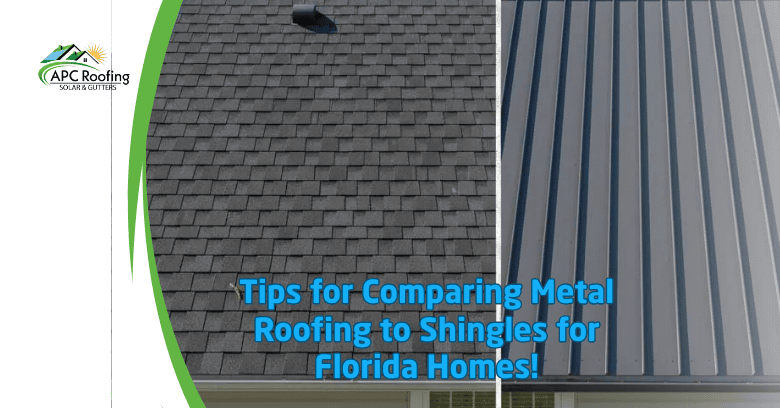
The grade of the roof takes some options off the list, because each system names a minimum slope. Asphalt architectural shingles are the usual answer for a home, steel panels ride out strong gusts, and clay or concrete tile calls for a structure designed for it.
Color and style shape how the whole property looks, while a light finish absorbs less of the sun's heat. You get our suggestion along with the thinking behind it, and the final say is yours.
Different Markets, Different Roofs: Extra Nails at the Coast
At the colder end of our territory, hailstones do the serious harm, and impact-resistant products are common there. The highest grade means a sample survived steel balls dropped from set heights, and it describes toughness rather than a promise.
At the coastal end of our territory, hurricane-force gusts drive the choices, so the product must carry a strong uplift rating. Additional nails are driven into every piece, and corners and edges receive hand-applied adhesive.
Finishing the Peak: Plugged at the Ends
The apex and the corners receive shingles designed to wrap over them, because a standard tab bent double splits within a few seasons. A continuous slot is sawn through the deck along an exhausting ridge, and a vent unit sits over the gap under the caps.
End plugs are pressed into both ends of the run, and driven rain stays outside. The gap is sized to the width in the instructions, since a narrow cut chokes the airflow and a wide one admits weather.
Beds, Lawn and Driveway: Nails in the Grass
Bushes, planters and outdoor chairs by the walls are best draped, with the air conditioner and any low glass guarded by plywood. A debris trailer by the eaves lets old material drop right into it, and boards under its wheels protect the drive.
Loose grit from the stripped slopes washes into the gutters, and the leftovers clog the downspouts. A nail left in the grass can puncture a tire or a bare foot, and a slow pass over the ground pays off.
The Order of the Work – Repairs Before Membrane
Removal moves across the roof in stretches, which keeps a surprise downpour off most of the deck. Carpentry is finished before the underlayment and membrane are laid, and the drip edge along the rakes goes on over the sheets.
Row after row, the shingles rise toward the top, and caps and vents close off the highest line. Sun warmth activates the glue lines on the fresh shingles, so the tabs hold tighter after hot weather.
What Happens Below: Parking and Pets
Nail guns and tear-off tools send vibration through the structure, and photos or shelves on upper walls can shake loose. Grit settles all over the attic, so boxes up there should be wrapped.
Cars should sit away from the drive and out of the garage, as a roll-off container takes their usual spot. Anxious animals are happier somewhere quiet, while kids keep out from under the edges during the tear-off.
The Town's Role – Who Applies
The majority of jurisdictions want a replacement registered with them, and an inspector visits afterward to look at the result. The contractor is normally the one who files for the permit, since the record names whoever does the work.
A proposal to go unchecked comes from someone avoiding review, and it makes sense to ask elsewhere. A signed-off record tells a future buyer the roof met code, which helps once the property is listed.
Service Life – Going the Distance
A quality architectural shingle is rated in decades, and metal or tile extends beyond that where the structure suits it. Actual service life turns on the flashing work, along with the local climate.
Roofs on neighboring houses with matching shingles may need replacing a decade apart, because air flows under one and the other cooks. An inspection each year after the storms turns up minor damage, which helps a new roof last as long as it should.
Clues From the Yard and the Attic – Worth a Closer Look
- Edges lifting and curling, spread over most of the surface.
- Bald patches here and there – plus a sandy layer in the gutters.
- Repairs that do not hold, even after careful work.
- A ridge that has dropped, growing more obvious.
- Daylight showing through the boards in more than one place.
- A covering too stiff to flex, so patching damages more than it mends.
- A carpet of growth on the north side – on a roof near its end.
- A re-cover that is itself aging, with the upper one now curling.
APC Roofing and Roof Installation in Daytona Beach Florida – Photos on Record
A roofer walks each slope from end to end, and the attic gets a look from the hatch. What we find goes into a written plan, and it names the underlayment, the metal and the vents.
Pictures are taken of the repaired wood and the flashing before they are buried, so the hidden work is kept on file.
Roof Installation Near Daytona Beach Florida – Every Layer Done Properly
Call us at 386-356-2111 and a roofer will come out to take measurements.
Eave Gutters: Checked and Noted
Rain coming off the shingles drops into the troughs, while the drip metal aims it into them. Any length that sags, seeps or has pulled loose is recorded, as a weak spot can tear free in high wind.
A trough lifted off for the tear-off is rehung with the right pitch, with new fasteners set in firm wood. At the colder end of our territory, clogged gutters let ice build up onto the shingles, and leaf guards or bigger leaders are worth a look.
Other Trades: Rooms That Stay Drafty
Cracked rafters and a dropping ridge are structural problems, so the repair is made before the new layers go on. A thin blanket of attic insulation stays thin under a fresh roof, so drafty or stuffy rooms below feel the same.
Loose or scorched wiring in the attic is work for an electrician, which we say plainly. You know in advance what the replacement fixes, and just as clearly what it does not.
When you are ready for Roof Installation in Daytona Beach Florida, phone APC Roofing at 386-356-2111. We measure the roof and write the scope, and each recommendation comes with its reasons.
Verified

Verified
Verified
Verified